
Shri Ram Mandir Darshan Trip || Day-3
The Emotional Goodbye
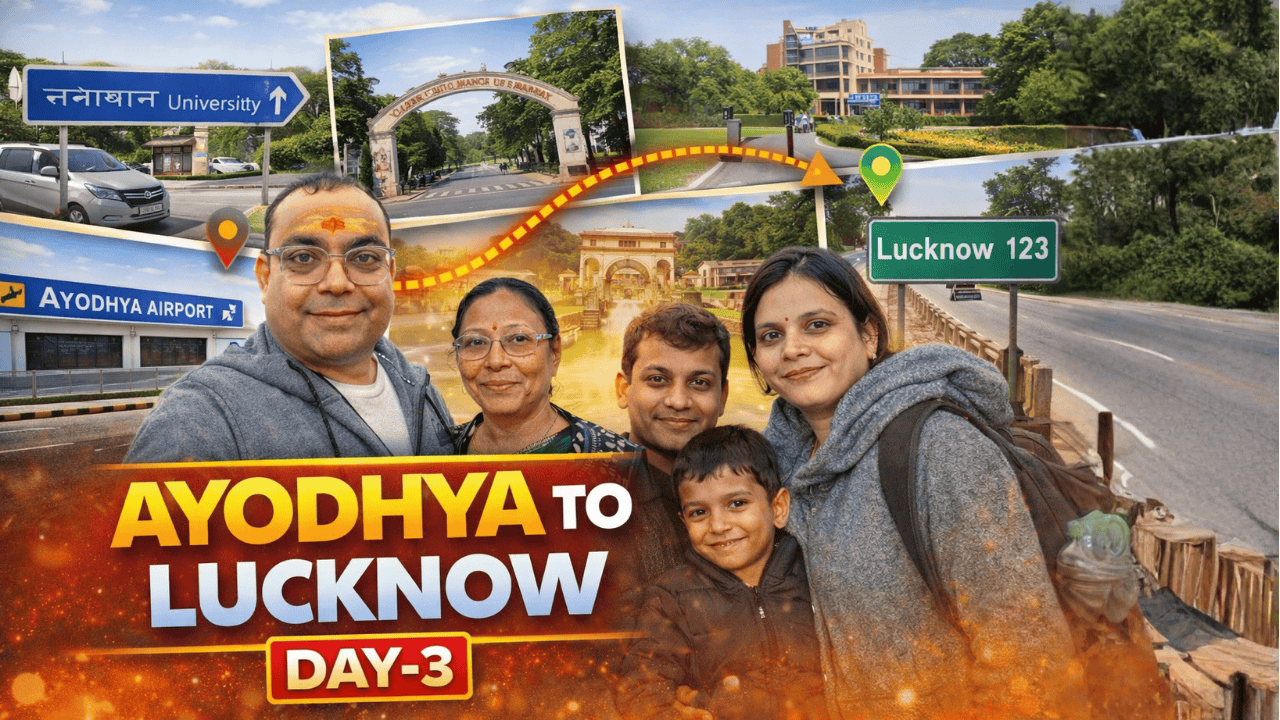
After two spiritually immersive days in Ayodhya Dham, Day 3 was not just about returning to Lucknow — it was about observing transformation. As we packed our bags early morning and walked toward the organized parking zone, there was a strange silence in the air. The chants, temple bells, and devotional atmosphere were now behind us, and the modern face of Ayodhya stood ahead.
This final chapter of our series on #Puneetspassport is a practical, research-backed, experience-driven guide for families planning an Ayodhya to Lucknow road trip — covering parking reality, university landmarks, airport infrastructure, and honest highway conditions.
Quick Facts
Route: Ayodhya to Lucknow
Distance: Approx 135 km
Travel Time: 2.5–3.5 hours
Best Departure Time: 6:00–8:00 AM
Ideal Trip Duration: 2–3 days Ayodhya + return
Suitable For: Families, Pilgrims, Students, Senior Citizens
Budget Range: ₹3,000–₹8,000 (family road trip estimate)
How to Reach (Return Route Overview)
By Road (Most Practical)
Ayodhya to Lucknow is primarily connected via NH-27.
Smooth 4-lane highway
Multiple fuel pumps
Toll sections operational
Traffic congestion near Lucknow city entry
By Train
Both cities are connected through regular trains between:
Ayodhya Dham Junction
Lucknow Charbagh Railway Station
By Air
Operational flights available from:
Maharishi Valmiki International Airport


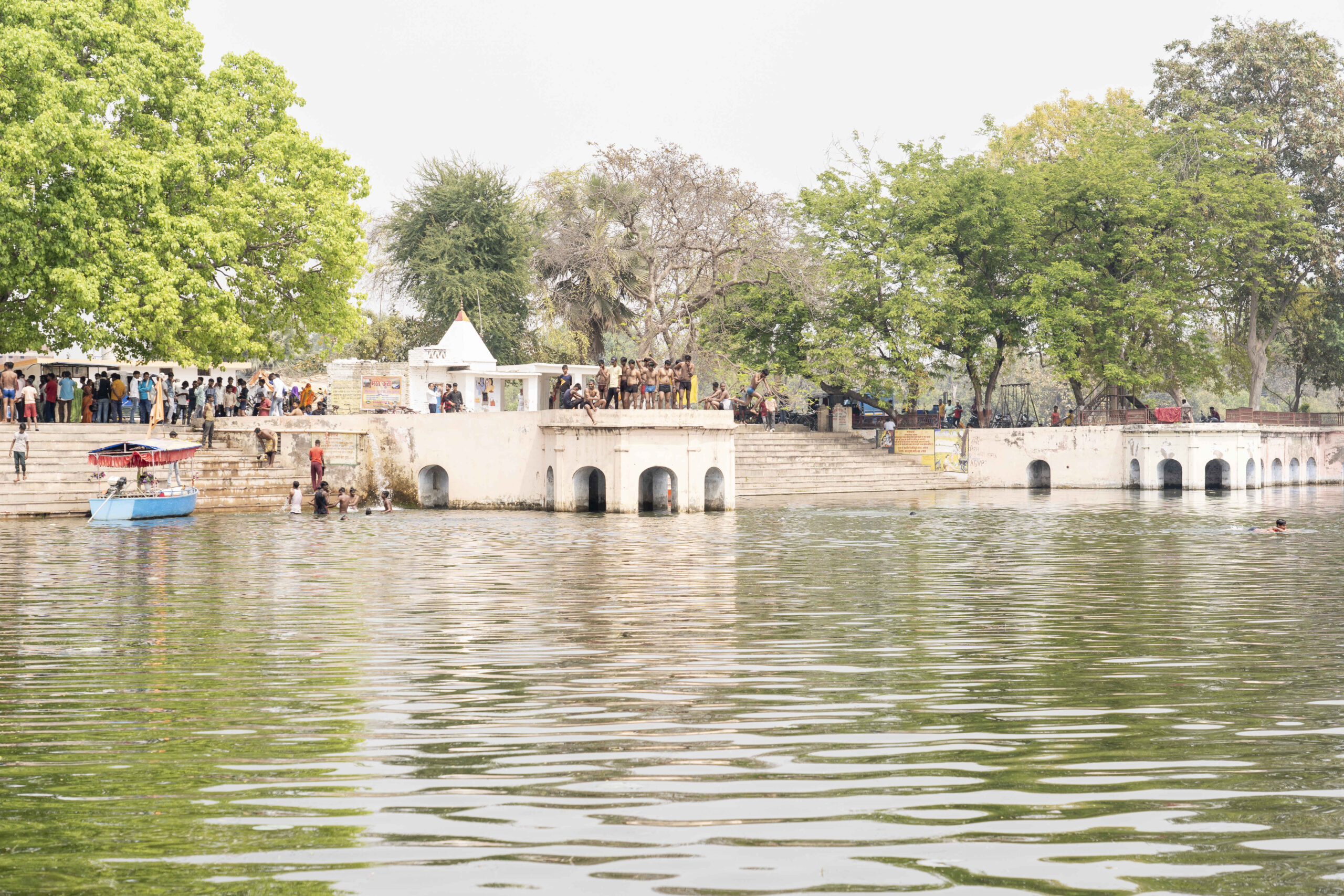
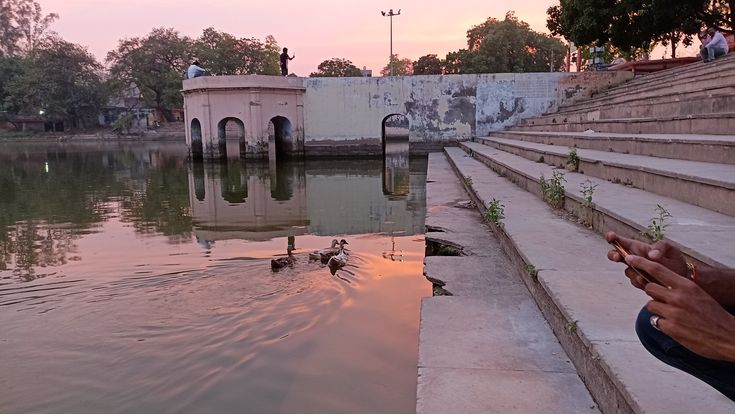

Morning Reality – Organized Parking in Ayodhya
One of the most surprising facts was the ₹100 parking charge for 24 hours. Yes — officially structured, large-scale parking zones have been developed to manage heavy pilgrim flow.
Ground Observations:
Dedicated car & bus parking sectors
E-rickshaw connectivity to temple zones
Clean public washrooms
Crowd control barricading on Sundays
Ayodhya is transitioning from an unmanaged pilgrimage town to a structured spiritual city.
Ramayan-Themed Infrastructure Transformation
The city’s crossings and dividers are decorated with Ramayan-inspired art installations. This urban redesign reflects cultural storytelling through infrastructure.
Ayodhya’s master plan includes:
Riverfront development
Smart city components
Heritage lighting systems
Integrated pilgrim circulation model
This structured development escalated significantly after the Ram Mandir movement, placing Ayodhya at the center of global Hindu pilgrimage tourism.
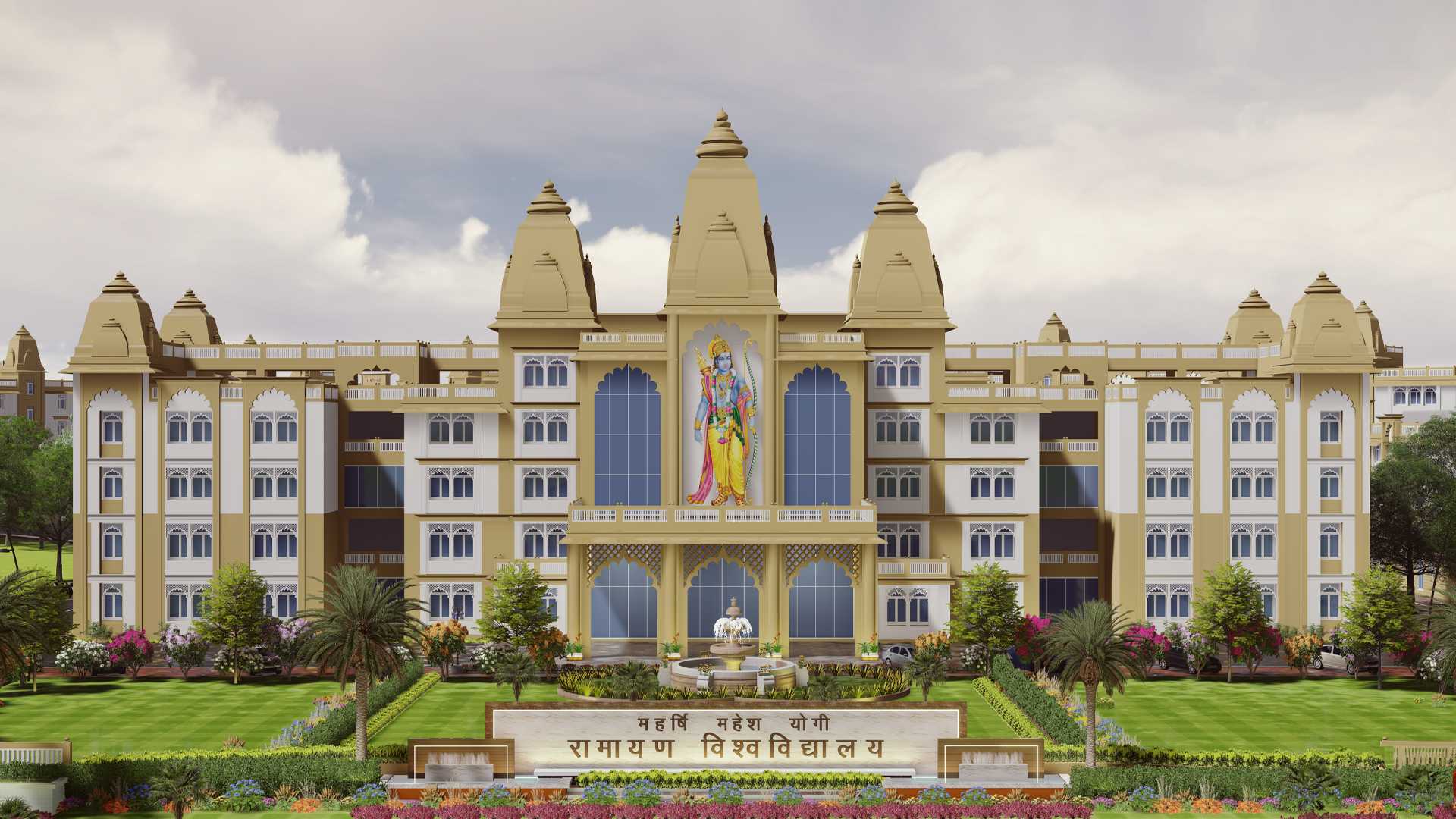
Maharishi Mahesh Yogi Ramayan University
Maharishi Mahesh Yogi Ramayan University is envisioned as a cultural-academic bridge linking Ramayan research globally.
Interesting Facts:
Focus on Sanskrit & Indic studies
Academic collaborations with Southeast Asian nations
Research into Ramayan manuscripts across civilizations
Indonesia, Thailand, and Cambodia preserve Ramayan traditions in their performing arts and temple carvings — strengthening Ayodhya’s soft power diplomacy.
Ayodhya is now expanding from spiritual capital to academic-cultural hub.
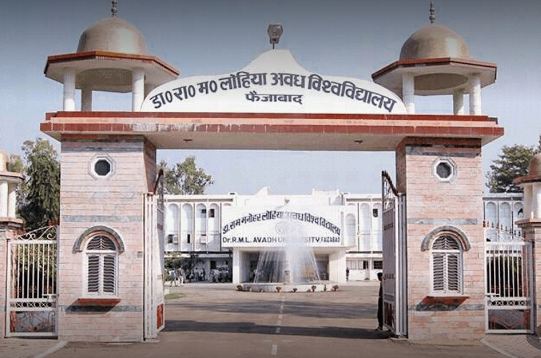
Dr. Ram Manohar Lohia Avadh University
Dr. Ram Manohar Lohia Avadh University was established in 1975 and remains one of eastern UP’s major higher education institutions.
Named after socialist thinker Ram Manohar Lohia, the university serves thousands of students in:
Arts
Science
Law
Commerce
For families watching the vlog, this segment adds educational planning value.
Maharishi Valmiki International Airport – 2026 Update
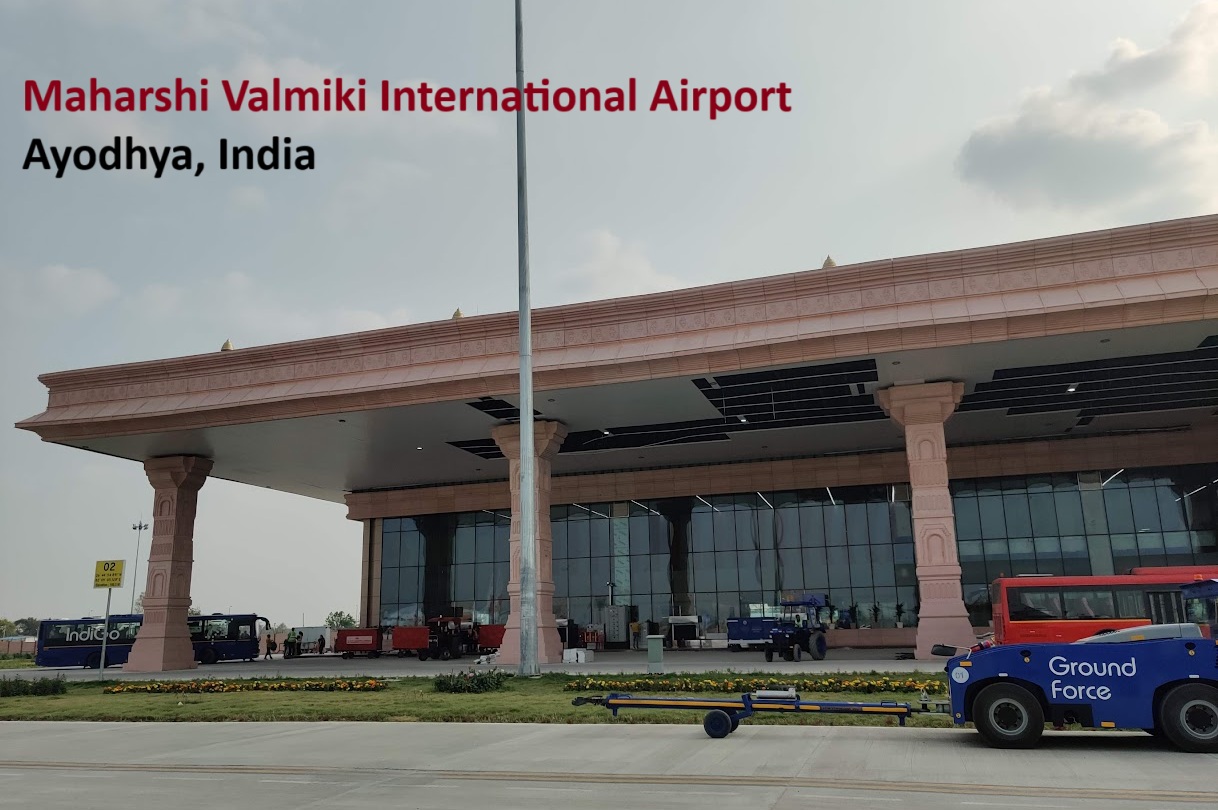
Maharishi Valmiki International Airport represents Ayodhya’s aviation leap.
Key Infrastructure Details:
Approx cost: ₹1500+ crore
Runway: 2200 meters (expandable to 3000 meters)
Phase 1 operational (domestic flights active)
Future Gulf & Southeast Asia connectivity
Projected capacity: 10 lakh passengers annually
The terminal architecture reflects temple-style pillars and sandstone aesthetics, blending devotion with aviation engineering.
Strategically, the airport aims to:
Boost religious tourism
Connect Ramayan circuit countries
Strengthen Uttar Pradesh’s aviation map
Bharat Kund – A Lesser Known Spiritual Stop
Bharat Kund is believed to be the place where Bharat waited during Lord Ram’s exile.
Historical belief states:
Bharat placed Ram’s khadau (wooden sandals) on the throne
Ruled as regent for 14 years
Lived austerely in Nandigram
This site symbolizes duty over power.
Highway Experience – Ayodhya to Lucknow
Distance: 135 km
Travel Time: 2.5–3.5 hours
Real Observations:
Smooth road conditions
Toll plazas functional
Congestion at Lucknow entry
Fuel cost approx ₹900–₹1200 (petrol car round estimate)
Family Travel Advice:
Start early morning
Carry water & light snacks
Avoid Sunday evening rush
Plan clean washroom stops
Vegetarian Family Travel Focus
Being a vegetarian family, hygiene and food quality remain priority.
Recommended:
Branded fuel pump restaurants
Avoid roadside cut-fruit stalls
For long drives, we personally carry:
You can also keep travel essentials like:
Sample 3-Day Itinerary Recap
Day 1: Lucknow to Ayodhya + Evening Sarayu Aarti
Day 2: Ram Mandir Darshan + Hanuman Garhi + City Exploration
Day 3: Airport Visit + University Drive-through + Return
Budget Breakdown (Family of 4 Approx)
Fuel: ₹1,000–₹1,500
Parking: ₹1–₹50
Food: ₹800–₹1,500
Miscellaneous: ₹500
Total: ₹3,000–₹5,000 (excluding hotel)
Travel Tips
✔ Start early morning
✔ Respect crowd management rules
✔ Use authorized parking
✔ Stay hydrated
✔ Keep vehicle documents ready
Avoid:
✖ Peak Sunday departure
✖ Overloading itinerary
FAQs
Is Ayodhya Airport fully operational?
Yes, Phase 1 domestic operations are active. International expansion is planned.
How long does Ayodhya to Lucknow take by car?
Approx 2.5–3.5 hours depending on traffic.
Is Ayodhya suitable for family trips?
Yes. Infrastructure, cleanliness, and crowd control have significantly improved.
Best time to leave Ayodhya?
Between 6:00–8:00 AM for smoother highway conditions.
A Journey Beyond Distance
Ayodhya today stands at a rare intersection of faith and infrastructure. From temple chants to airport runways, from Bharat’s sacrifice to modern highways — this road trip was not just about 135 kilometers.
It was about witnessing history unfolding in real time.
If you enjoy real travel stories and honest city explorations, do watch the full vlog.
Stay connected with Puneetspassport for more such authentic travel experiences across India and beyond.
Click on the link to subscribe our channel: Click Here